


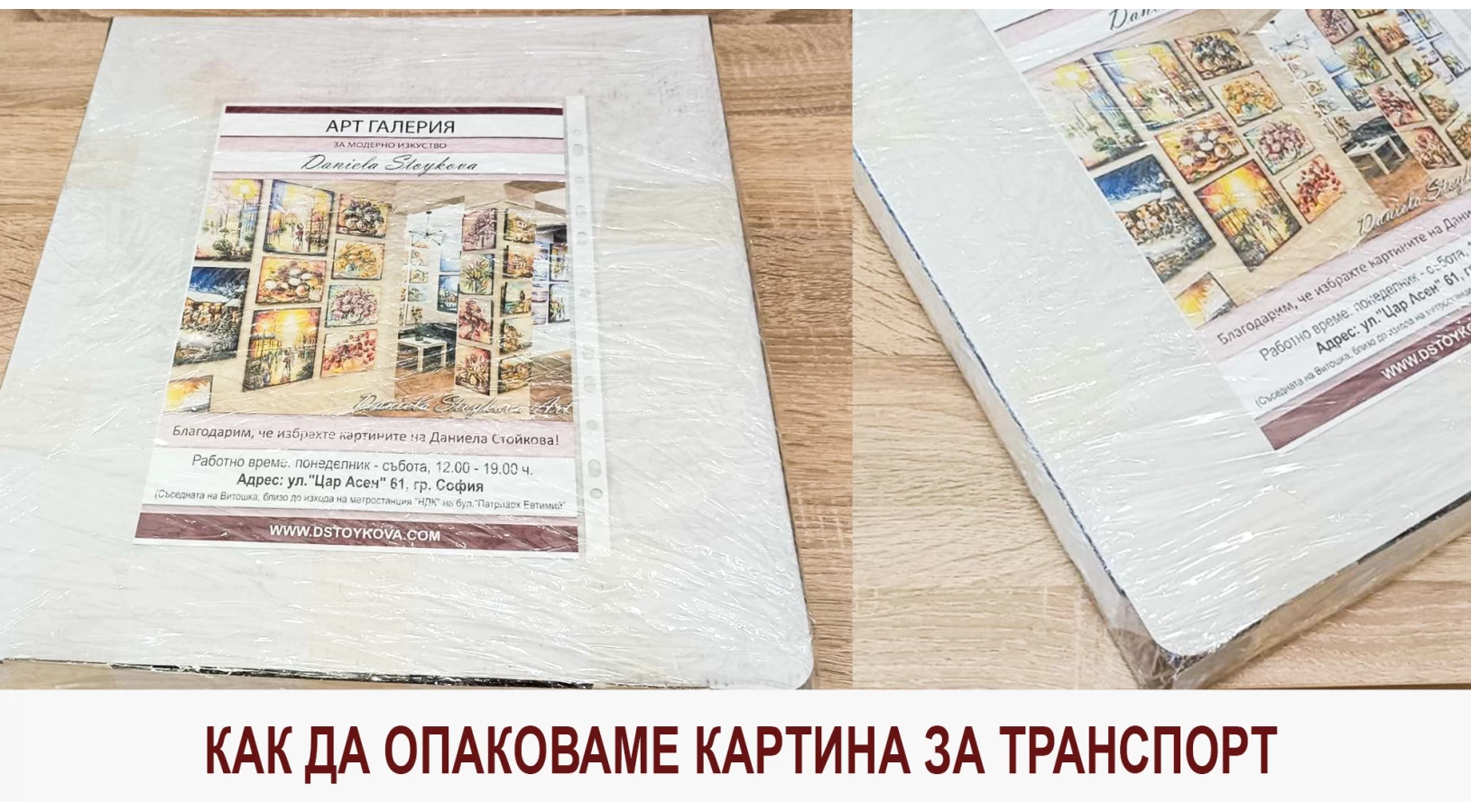
Packing a painting for transport is an important task that requires attention to detail to keep the artwork in perfect condition. Whether you are transporting a painting over a short distance or sending it across the world, proper packing can prevent damage. In this article, we will look at the steps for packing a painting with bubble wrap and a cardboard box.
In today’s global world, online commerce is becoming increasingly active and attractive as a way to quickly reach various items to a maximum number of consumers in different parts of the world. This opportunity has proven particularly suitable in the field of visual arts, which does not require a middleman to be understood, appreciated, chosen, and ultimately purchased.
Whether you are an artist looking to send your painting to a client, or the owner of a painting wanting to transport it to another destination within the country or abroad, follow these guidelines to keep the artwork in excellent condition.
Steps for packing a painting for transport within the country or abroad.
1. Preparing the painting
Before you start packing, make sure the painting is clean and in good condition. If necessary, clean the frame with a damp cloth to remove dust or dirt that could scratch the surface during transport.
If the painting is oil-based and new, we recommend waiting as long as possible before transporting it—at least 3-4 weeks. Oil paint dries slowly at depth, remains tacky for a long time, and a soft underlayer of paint may be displaced if pressed, damaging the image.
2. Collecting the necessary materials
To pack your painting, you will need the following materials:
- Bubble wrap, or as we call it, just bubbles.
- A cardboard box, slightly larger than the painting itself. You can purchase such boxes from a packaging materials company or carton providers.
- Tape
- Scissors
- Fragile stickers (optional)
- Corner protectors for the painting (optional)
3. Applying a protective layer if the painting is unframed:
The first step is to protect the painting itself. This can be done by wrapping it in stretch film or directly with bubble wrap to prevent scratches or damage to the surface of the artwork.
4. Wrapping with bubble wrap if the painting is framed
The most vulnerable part during transport is the frame, especially its corners, which can be easily damaged. Therefore, the first thing to do is to wrap the corners in several layers of stretch film, if desired, to keep them intact.
Place the painting face-down on the wrap. Then wrap the entire painting in several—no fewer than two to three—layers of bubble wrap, securing it with tape, making sure the wrap covers all sides.
5. Placing the painting in the cardboard box
After the painting is wrapped in bubble wrap, it’s time to place it in the cardboard box. It's important that the box isn't too large so the painting doesn’t shift inside.
If you don’t have a suitable box, you can assemble a custom one for the occasion from pieces of cardboard.
6. Sealing and reinforcing the box
After the painting is placed in the box, carefully close it and use strong tape to seal all openings. Ensure all edges are well-sealed with tape to prevent accidental opening during transport.
If you wish, you can add labels like “Fragile” or “Keep Upright” and “Do Not Stack” to facilitate careful handling of the package.
Finally, wrap the box in several layers of stretch film again to prevent it from opening. It’s a good idea to apply declared value service and transport insurance if available.
This is how you pack a painting for transport within the country.
7. Additional measures for packing a painting for international shipping
If the painting is being ordered for abroad, some additional steps should be taken. Choose a company that will transport the artwork by van to prevent damage from conveyor line drops or pallet pressure.
Wrap the artwork in more layers of bubble wrap, and place an additional piece of cardboard or wooden fiberboard on both sides of the painting for extra rigidity. Fill the box well to prevent movement inside, using bubbles, foam, cloth, paper fillers, or similar materials.
You can also transport the painting yourself by plane, as hand luggage or in a suitcase. Keep in mind that most suitcases can hold paintings with sizes up to 40x50 cm or 40x60 cm. Be sure to include a certificate of authenticity and the necessary export documents for artwork.
8. Documents for the painting
If you're sending the painting within the country, no special documents are required. However, if you’re sending the artwork abroad, you will need a certificate of authenticity, among other documents.
Read here what documents are needed for sending a painting abroad.
Proper packing of a painting with bubble wrap and a cardboard box is essential for protecting the artwork during transport. By following the above steps, you will ensure the safety of the painting and minimize the risk of damage. Always take the time to pack correctly and use quality materials to rest assured that your art will reach its final destination in perfect condition!


Leave a Comment